yajuwood.com






So wählen Sie hochwertiges Bau-Sperrholz aus
Die Wahl des richtigen Bau-Sperrholzes ist entscheidend für die Festigkeit, Langlebigkeit und Sicherheit jedes Bauprojekts. Ganz gleich, ob Sie Sperrholz für Fußböden, Dächer, Wandverschalungen oder Betonschalungen kaufen – die Auswahl der richtigen Platte kann die Bauqualität verbessern und die langfristigen Instandhaltungskosten senken.
Viele Käufer achten nur auf das Aussehen oder den Preis, doch die tatsächliche Qualität von Sperrholz hängt von mehreren wichtigen Faktoren ab, darunter der Furnierqualität, dem Kernaufbau, der Art des Klebstoffs und dem Herstellungsverfahren. In diesem Leitfaden erläutern wir die fünf wichtigsten Punkte, die professionelle Einkäufer vor dem Kauf von Bausperrholz berücksichtigen.
Überprüfen Sie die Qualität des Sperrholzes
Die Sortierklassen für Sperrholz beschreiben in erster Linie die Qualität des Decksperrholzes und nicht die Gesamtfestigkeit der Platte. Die Klasse A zeichnet sich durch eine glatte und makellose Oberfläche aus und eignet sich daher ideal für Möbel und dekorative Anwendungen. Die Klassen C und D weisen mehr natürliche Mängel auf und werden häufig im Bauwesen verwendet, wo das Aussehen weniger wichtig ist.
Bei Bauprojekten sollten Käufer den Fokus auf die statische Leistungsfähigkeit legen, anstatt Sperrholz allein aufgrund seines äußeren Erscheinungsbildes auszuwählen.
| Note | Oberflächenqualität | Typische Anwendung |
|---|---|---|
| A | Glatte und geschliffene Oberfläche | Möbel, Schränke |
| B | Kleinere Reparaturen | Regale, Bodenbeläge |
| C | Sichtbare Knoten | Wand- und Dachverschalung |
| D | Raue Oberfläche | Temporäre Bauarbeiten |
Prüfen Sie die Kernqualität
Der Kern ist einer der wichtigsten Indikatoren für die Qualität von Sperrholz. Eine hochwertige Sperrholzplatte sollte gleichmäßig angeordnete Furniere, eine feste Verbindung zwischen den Schichten und möglichst wenige innere Hohlräume aufweisen.
Eine mangelhafte Kernkonstruktion kann zu Delaminierung, Verformung, verminderter Tragfähigkeit und einer verkürzten Lebensdauer führen.
Überprüfen Sie nach Möglichkeit die Kante der Platte, um sicherzustellen, dass die Furniere fest verklebt und gleichmäßig verteilt sind.
Wählen Sie den richtigen Klebstoff
Unterschiedliche Projekte erfordern unterschiedliche Klebeeigenschaften.
Für Anwendungen im Innenbereich bietet MR-Kleber in der Regel eine ausreichende Feuchtigkeitsbeständigkeit. Für den Außenbau und Betonschalungen ist WBP-Phenolharzkleber die bevorzugte Wahl, da er eine hervorragende Wasserdichtigkeit und langfristige Haltbarkeit bietet.
Die Wahl des richtigen Klebstofftyps trägt dazu bei, die Lebensdauer von Sperrholz zu verlängern und die Wartungskosten zu senken.
| Klebstofftyp | Geeignet für |
|---|---|
| MR Glue | Anwendungen im Innenbereich |
| Melaminleim | Einsatz im halb-außenbereich |
| WBP-Phenolharzkleber | Außenbereich & Bauwesen |
Wählen Sie die richtige Dicke aus
Die Dicke des Sperrholzes sollte dem vorgesehenen Verwendungszweck entsprechen. Die Verwendung zu dünner Platten kann die statische Leistungsfähigkeit beeinträchtigen, während unnötig dicke Platten die Projektkosten in die Höhe treiben.
Zu den typischen Empfehlungen gehören:
| Anwendung | Empfohlene Dicke |
|---|---|
| Wandverkleidung | 9–12 mm |
| Dachverschalung | 12–18 mm |
| Bodenbeläge | 18–25 mm |
| Betonschalung | 15–21 mm |
Wählen Sie einen zuverlässigen Sperrholzhersteller
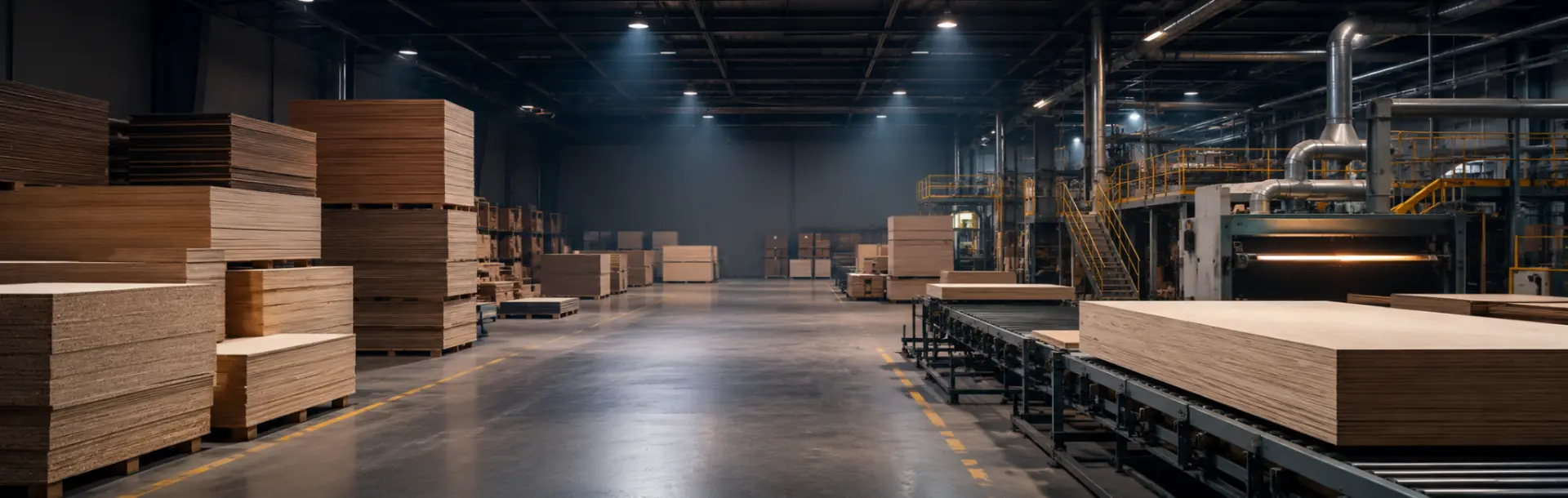
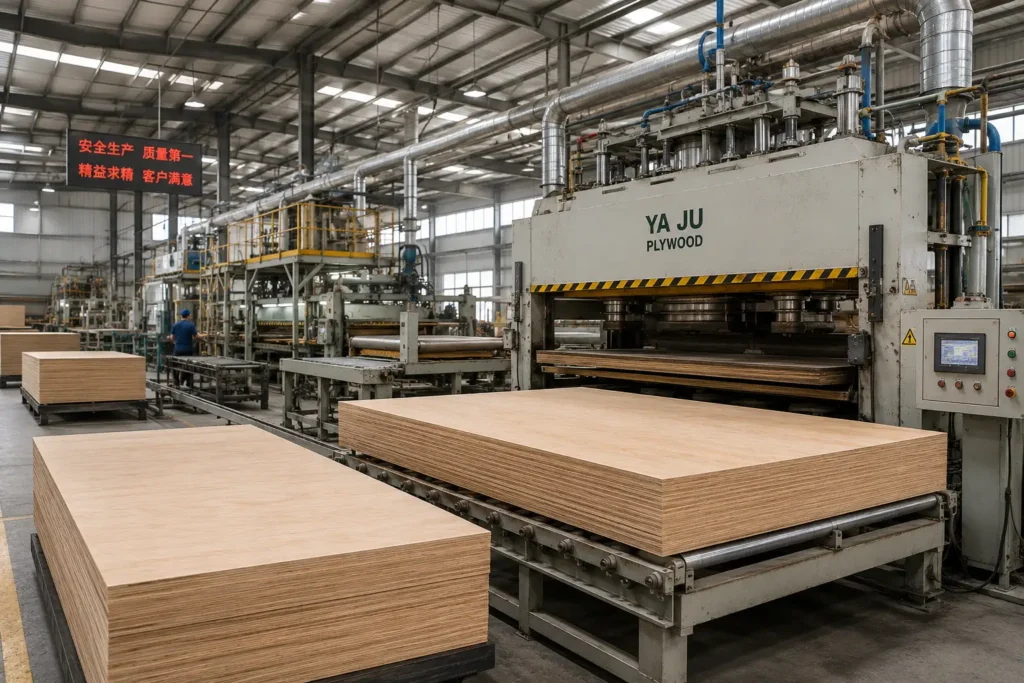
Selbst wenn zwei Sperrholzplatten ähnliche Spezifikationen aufweisen, kann die Fertigungsqualität erheblich variieren. Ein professioneller Hersteller setzt sorgfältig ausgewählte Furniere, moderne Produktionsanlagen, strenge Qualitätskontrollen und eine zuverlässige Verleimtechnik ein, um eine gleichbleibende Produktleistung zu gewährleisten.
Bei YA JU wird jede Sperrholzplatte im Rahmen eines umfassenden Qualitätssicherungssystems hergestellt. Von der Auswahl der Rohstoffe über das Heißpressen, Schleifen und die Qualitätsprüfung bis hin zur Verpackung wird jeder Produktionsschritt sorgfältig überwacht, um zuverlässiges Sperrholz für Bauprojekte weltweit zu liefern.
Fazit
Bei der Auswahl von hochwertigem Bau-Sperrholz geht es um mehr als nur das Aussehen oder den Preis. Durch das Verständnis der Sperrholzgüten, der Kernqualität, der Klebstoffarten, der Dicke und der Fertigungsstandards können Käufer Produkte auswählen, die eine bessere statische Leistung und eine längere Lebensdauer bieten.
Die Zusammenarbeit mit einem zuverlässigen Sperrholzhersteller gewährleistet zudem eine gleichbleibende Qualität, professionelle Unterstützung und eine zuverlässige Belieferung für Ihre Projekte.